
Watch Out: Sneaky Scams to Avoid
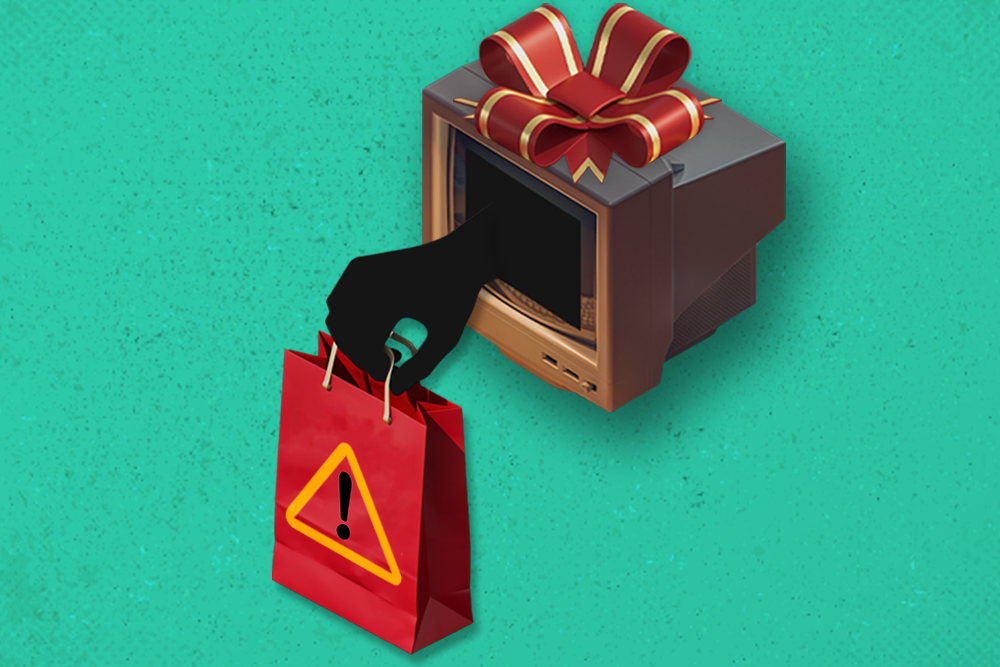
The holiday season brings plenty of reasons to celebrate — but ‘tis also the season for cyber scams designed to take advantage of busy, distracted shoppers.
Fake Deals: From fake retail websites and misleading social media ads, these scams use convincing branding and “unbelievable” deals to lure shoppers, but the product never arrives — or the scammer steals your payment information.
"Your Package is Delayed!" Phishing: Be cautious of fake shipping and delivery notifications, sent via text or email, claiming a package is delayed or needs to be rescheduled. These messages often include links that install malware, steal credentials or capture personal information.
AI Scammers: The holiday rush fuels bot-driven fraud, especially around Black Friday and Cyber Monday. Scammers are increasingly using AI to personalize and enhance their schemes, making fraudulent messages appear more legitimate and tailored to your behavior, thereby increasing the likelihood that you’ll engage.
Be a Smart Shopper: Top 5 Holiday Shopping Tips
- Trust Your Gut (and the Lock): Only shop with merchants you know. Always check for the "https://" and the padlock icon in the web address bar.
- Go Official: Don't click links in unexpected delivery messages. Type the shipper's or retailer's official website address directly into your browser to check your tracking status.
- Password Power-Up: Use a strong, unique password or passphrase for every account, and enable Multi-Factor Authentication (MFA) to secure your accounts.
- Verify the Good: If you're feeling generous, use tools like Charity Navigator to ensure your donation is going to a legitimate, verified cause.
- Wi-Fi Warning: Public Wi-Fi is a no-go for shopping! Save those purchases for when you are on a secure, private network.